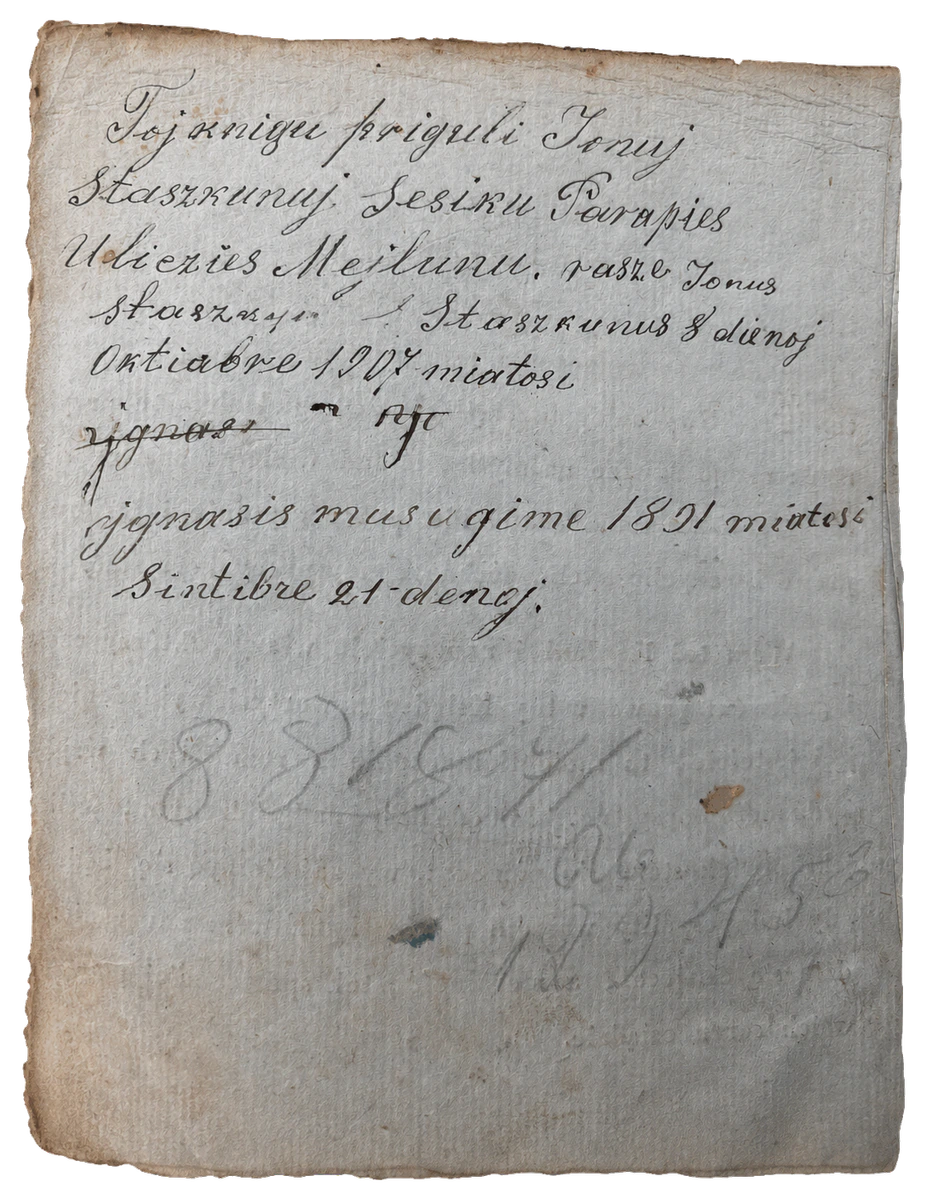
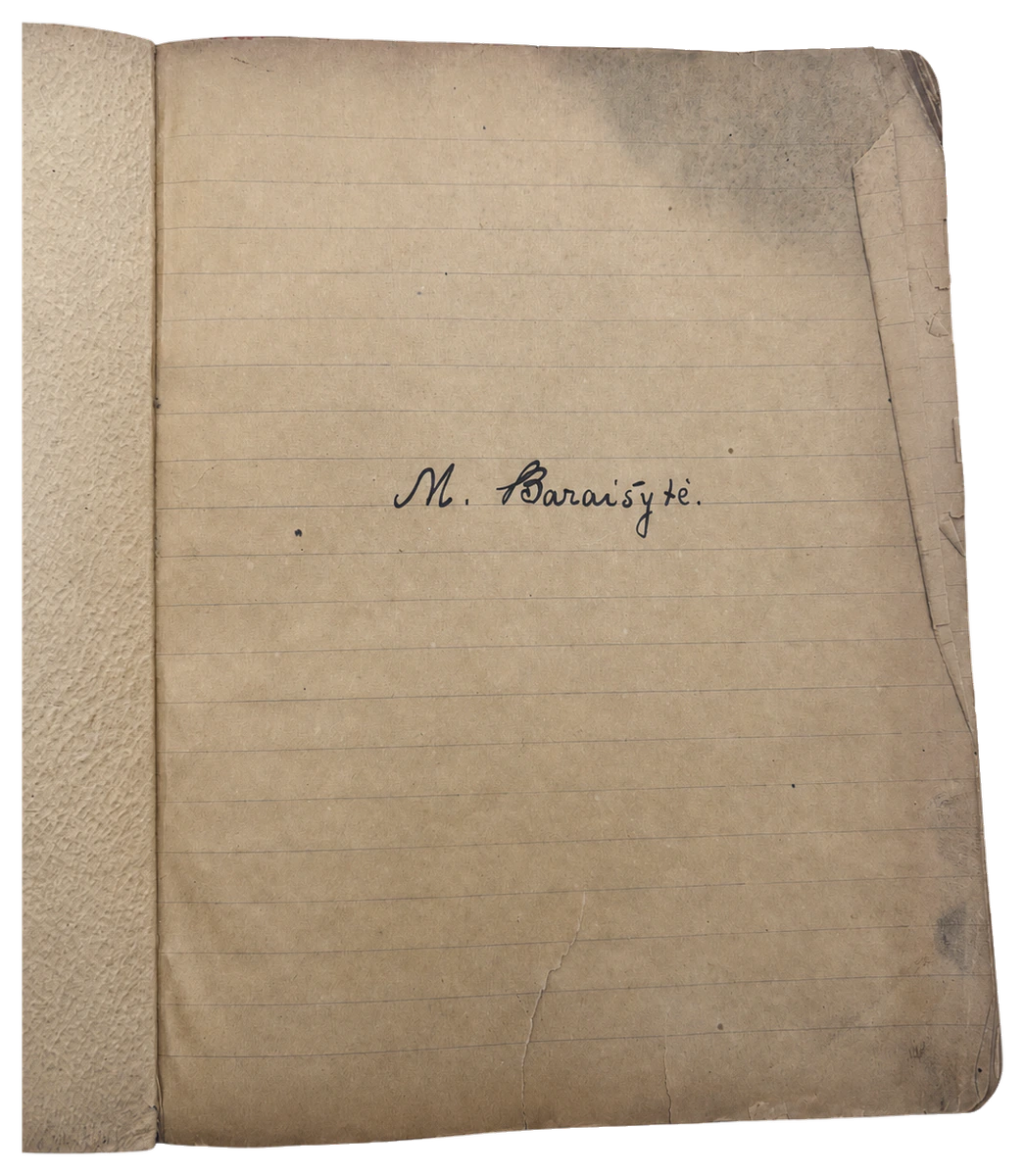
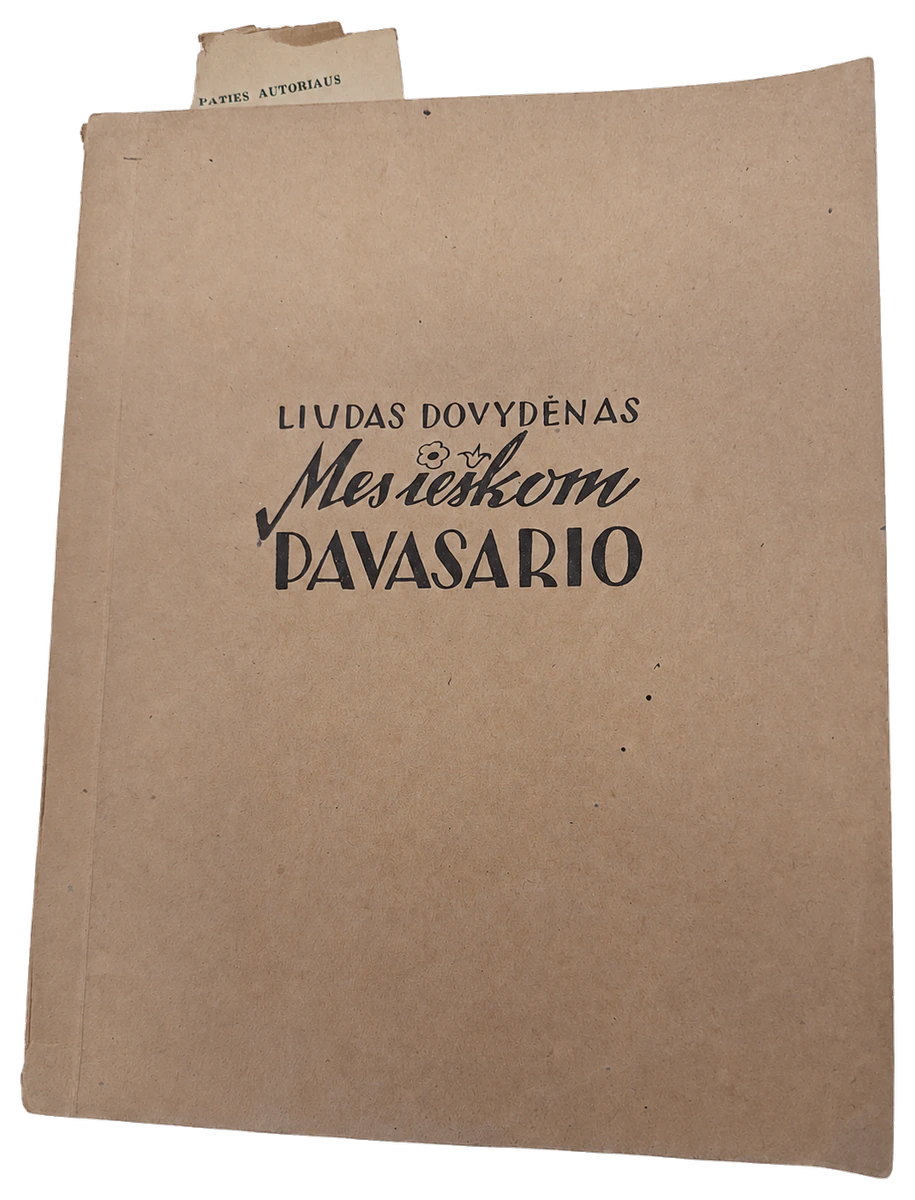
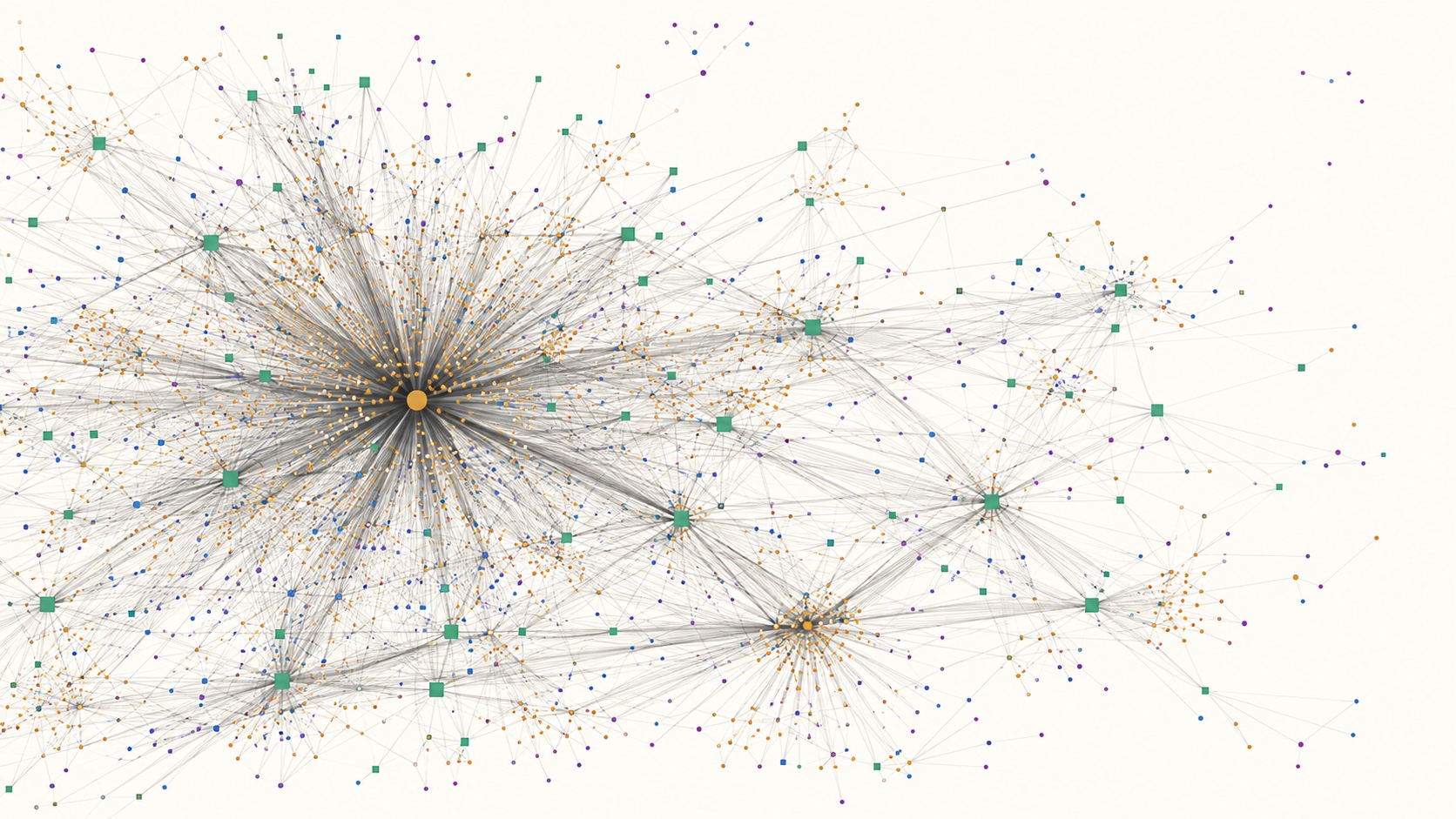
Memory has structure. A book carries names, places, events, and signs of the people who made, owned, and kept it. Sacred Core brings those relationships into view. The network is not an illustration of the archive. It is the archive’s own structure made visible.Atmintis turi savo tvarką. Knyga neša vardus, vietas, įvykius ir ją kūrusių, skaičiusių bei saugojusių žmonių žymes. „Sacred Core“ parodo šiuos ryšius. Tinklas nėra archyvo iliustracija. Tai matoma paties archyvo tvarka.
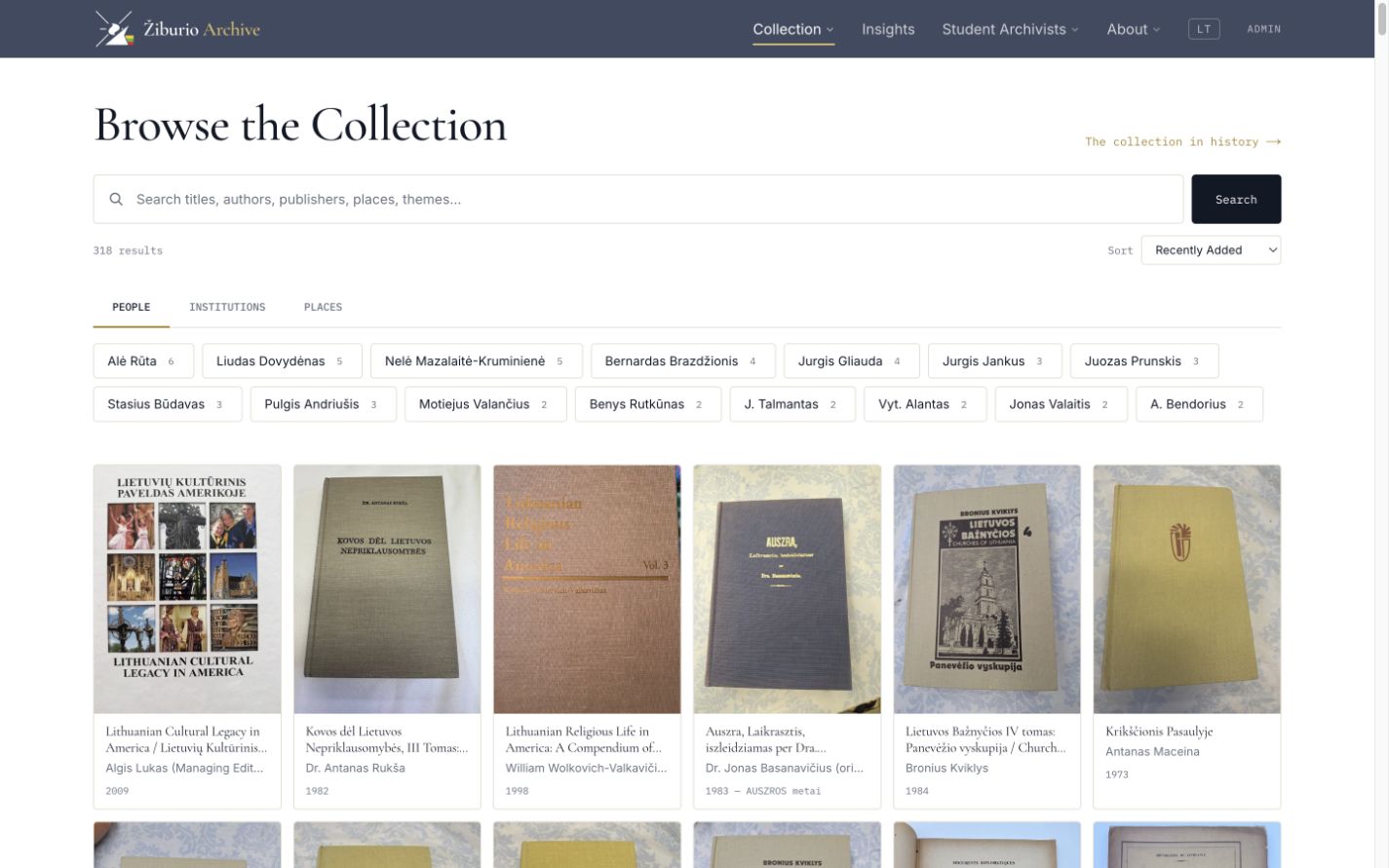
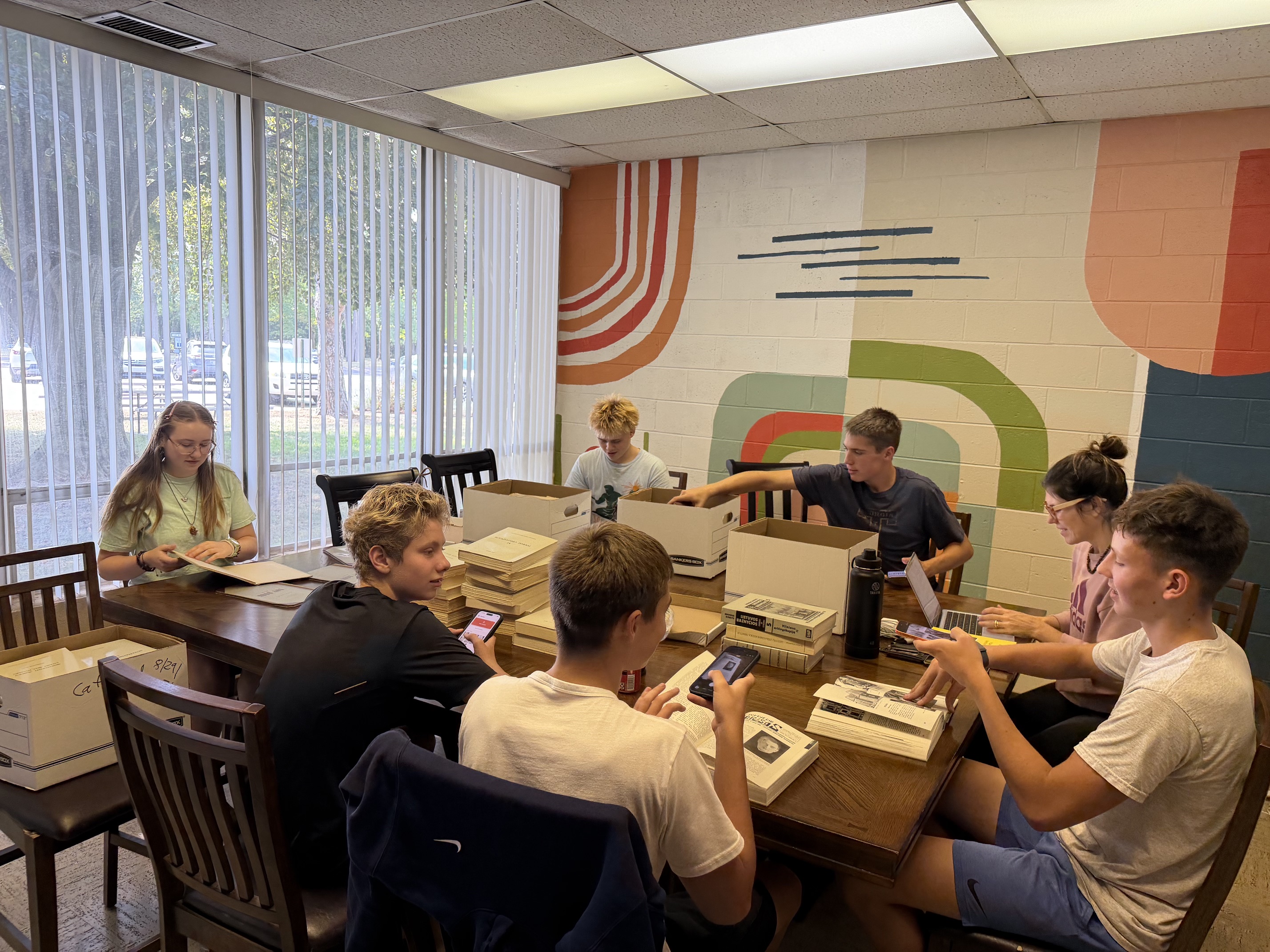
The process starts with the source: pages are photographed and cataloged, text is transcribed, names and places are identified, and proposed connections are reviewed by people. Every relationship that eventually appears publicly must lead back to the page or object that supports it.Darbas prasideda nuo šaltinio. Puslapiai fotografuojami ir kataloguojami. Tekstas perrašomas. Atpažįstami vardai ir vietos. Siūlomus ryšius peržiūri žmonės. Viešai bus rodomi tik tie ryšiai, kuriuos galima atsekti iki juos liudijančio puslapio ar daikto.
Structured memory, not scraped text.Knyga — ne vien išgautas tekstas.
A book is more than its words. Its paper, typography, annotations, ownership, movement, and survival are knowledge. Together they place the book within a network of people, places, institutions, and time.Knyga yra daugiau negu jos žodžiai. Popierius, spauda, ranka įrašytos žymės, nuosavybė, kelias ir išlikimas taip pat liudija. Drauge jie įrašo knygą į žmonių, vietų, įstaigų ir laiko tinklą.
Technology should expand the life of cultural material while keeping the source, its context, its rights, and the people responsible for it visible.Technologija turi pratęsti kultūros medžiagos gyvenimą. Šaltinis, jo aplinka, teisės ir už jį atsakingi žmonės lieka matomi.